
Does your heel pain improve—then come right back?
If your heel pain gets better with rest, stretching, or new shoes—but returns as soon as you become more active—you’re not alone—we see this pattern every day.
Many patients come in after trying things like icing, stretching, or changing shoes, and they’re understandably frustrated when the pain keeps coming back.
In most cases, recurring heel pain is a sign that the underlying cause hasn’t been fully addressed, not just that you need more rest.
At Family Foot & Ankle Clinic, we treat patients across Golden Valley, Coon Rapids, and the Twin Cities who are dealing with heel pain that just won’t go away.
What Causes Heel Pain That Keeps Coming Back?
Heel pain is most commonly caused by plantar fasciitis, but when it keeps returning, there are usually multiple contributing factors.
Common causes include:
● Chronic plantar fasciitis (degeneration of the plantar fascia)
● Tight Achilles tendon or calf muscles
● Heel fat pad irritation or thinning
● Nerve irritation or entrapment
● Foot structure and biomechanical issues (flat feet, high arches)
Because these factors often overlap, it’s common for symptoms to improve temporarily—but not fully resolve.
Why Plantar Fasciitis Becomes Chronic
Many early treatments focus on reducing inflammation. That can help in the short term, but chronic heel pain is often not purely inflammatory.
Instead, what we often see over time is:
● Thickening and degeneration of the plantar fascia
● Ongoing strain from abnormal foot mechanics
● Repetitive stress that exceeds the body’s ability to heal
That’s why patients will often tell us:
● It feels better when they rest
● It comes back when activity increases
● It slowly becomes more persistent
If the underlying cause isn’t corrected, the cycle tends to continue.
Signs You Should See a Podiatrist for Heel Pain
It may be time for a professional evaluation if:
● Heel pain lasts longer than a few weeks
● Pain improves but repeatedly returns
● Pain is worse in the morning or after rest
● Walking, exercise, or daily activity is limited
In our clinic, these are some of the most common reasons patients finally decide to come in—especially after trying to manage it on their own.
In general, the longer heel pain has been present, the longer it can take to resolve. Getting it evaluated earlier can often make treatment much more straightforward.
How We Evaluate Chronic Heel Pain
When heel pain isn’t improving, the goal is to understand why
At your visit, we’ll typically look at:
● Your symptom history and activity level
● Foot structure and biomechanics
● Calf tightness and movement patterns
● Imaging (X-ray or ultrasound) when needed
From there, we’re usually able to narrow down what’s actually driving the pain—and why it hasn’t improved yet
In many cases, patients come to us after trying treatment elsewhere without lasting relief. A more detailed evaluation often helps uncover factors that may have been missed initially.
This helps us:
● Pinpoint the source of pain
● Identify contributing factors
● Build a treatment plan focused on long-term relief—not just temporary improvement
Heel Pain Treatment Options
Treatment depends on the underlying cause of your heel pain. The good news is that most patients improve without surgery when the right approach is used.
Conservative Treatments
● Targeted stretching and strengthening
● Supportive footwear recommendations
● Custom orthotics to improve foot mechanics
● Activity modifications based on your routine
Advanced Non-Surgical Treatments
For more persistent cases, we may recommend:
● Shockwave therapy (EPAT) to stimulate healing
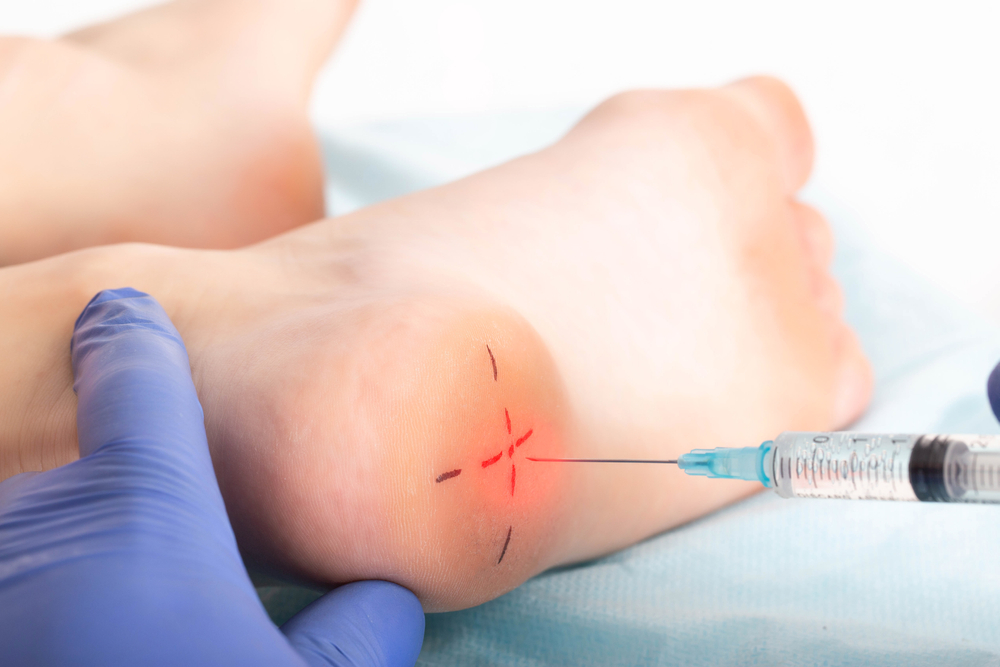
● Regenerative or therapeutic injections when appropriate
● Bracing or additional support if needed
You can also learn more about our approach to heel pain treatment during your visit, where we tailor options based on your specific condition.
Surgical Treatment
Surgery is rarely needed, but may be considered when:
● Pain is severe and long-standing
● Daily activity is significantly limited
● Other treatments haven’t been successful
Why Treating Heel Pain Early Matters
When heel pain becomes chronic, it can:
● Take longer to resolve
● Become more resistant to simple treatments
● Start to affect other areas due to compensation
On the other hand, early treatment can:
● Shorten recovery time
● Reduce long-term strain on the tissue
● Help you stay active
Many patients are surprised how manageable heel pain can be once we identify and
address the actual cause.
Heel Pain Treatment in Golden Valley & Coon Rapids,
MN
If you’re looking for heel pain treatment in Golden Valley, Coon Rapids, or nearby Twin Cities communities, and your symptoms keep coming back—or just aren’t improving—it’s worth getting it evaluated sooner rather than later.
At Family Foot & Ankle Clinic, we provide comprehensive diagnosis and treatment for heel pain and plantar fasciitis, including advanced options for more persistent cases.
We care for patients throughout the Twin Cities, including:
● Coon Rapids
● Maple Grove
● Andover
● Ham Lake
● Champlin
● Blaine
● Plymouth
● Edina
● Wayzata
● Minnetonka
● St. Louis Park
● and surrounding communities
Schedule an Appointment for Heel Pain Relief
You don’t have to keep dealing with heel pain that comes and goes.
If your symptoms aren’t improving—or keep returning—it’s worth getting it evaluated sooner rather than later. In many cases, addressing the underlying cause early can significantly shorten recovery time.
Schedule an appointment today to get a clear diagnosis and a treatment plan focused on long-term relief, so you can get back to walking, exercising, and daily activity without pain.
Frequently Asked Questions About Heel Pain
Why does my heel pain go away and come back?
In most cases, this means the underlying cause—such as foot mechanics or tissue stress—has not been fully addressed, even if symptoms temporarily improve.
How long does plantar fasciitis take to heal?
Mild cases may improve in a few weeks, while more chronic cases can take several months. Earlier treatment usually leads to faster recovery.
What is the best treatment for chronic heel pain?
It depends on the cause, but often includes a combination of stretching, support, and in some cases advanced treatments like shockwave therapy (EPAT).
Written by Dr. Allison Willkom, podiatrist at Family Foot & Ankle Clinic, serving patients in Golden Valley and Coon Rapids, MN.