
When Chronic Foot Pain Stops Responding to Standard Treatment — EPAT Restarts the Healing Process
You’ve rested. You’ve stretched. You’ve tried anti-inflammatories, maybe a cortisone injection. The pain improved for a while, or it never fully went away. That pattern — chronic foot or ankle pain that plateaus short of resolution — is exactly the scenario EPAT is designed for.
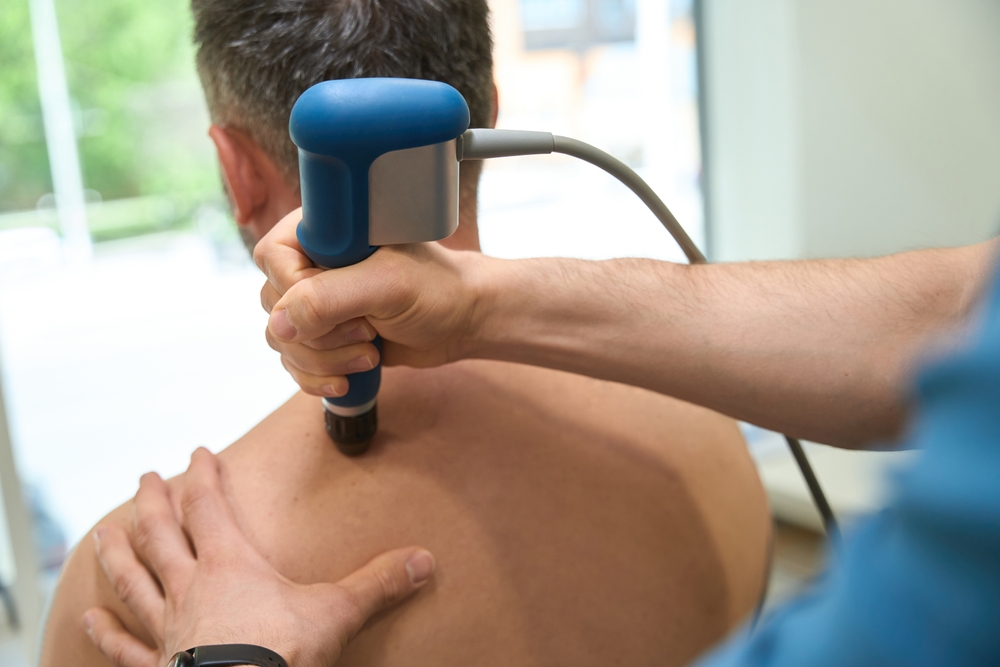
EPAT (Extracorporeal Pulse Activation Technology) delivers radial pulse waves — controlled acoustic (sound) energy — through the skin to the injured tissue below. The waves stimulate a healing response in tissue that has stalled: increasing local blood flow, triggering growth factor release, and promoting new tissue formation. No injections, no incisions, no downtime. Most patients begin noticing improvement after the second or third session.
We offer EPAT at our Coon Rapids and Golden Valley offices, serving patients across the north and west metro including Maple Grove, Ham Lake, Andover, Champlin, Blaine, Plymouth, Wayzata, Minnetonka, St. Louis Park, and Edina.
EPAT is a cash-pay service. $150 per session. A series of six sessions is $800 — saving $100 off the per-session rate. Most patients begin to notice improvement after sessions 2–3, with overall success typically seen within 6–12 weeks of completing the series. EPAT is not billed to insurance.
Call 763-421-7300 | Book online
How Does EPAT Work?
Many chronic tendon, fascia, and soft tissue injuries share the same underlying problem: the tissue has stopped actively healing. After repeated micro-injury and incomplete repair, the area becomes fibrotic and poorly vascularized — stuck in a chronic, low-activity state. Standard anti-inflammatories and rest address symptoms but don’t restart this stalled repair process.
The radial pulse waves delivered through the EPAT probe create controlled mechanical stimulation in the tissue. The body interprets this as a new signal to repair, triggering several responses:
- Increased blood flow: wave energy stimulates local vasodilation and growth factor release (including VEGF) that trigger angiogenesis — the growth of new capillaries into the area. More blood flow means more oxygen, more nutrients, and more immune activity in the injured area.
- Disruption of calcifications and scar tissue: in conditions like insertional Achilles tendinopathy or chronic plantar fasciitis, accumulated calcium deposits and fibrotic tissue are disrupted by the acoustic energy, making them easier for the body to resorb and replace with healthy tissue.
- Reduced pain signaling: the treatment desensitizes local nerve endings and reduces substance P — a pain transmitter — contributing to both immediate and longer-term pain reduction.
- Collagen stimulation: new collagen synthesis is promoted in damaged tendons and fascia, gradually restoring structural integrity over the weeks following treatment.
The technology: Our EPAT device uses radial pressure wave (RPW) technology from Storz Medical, one of the most widely recognized manufacturers of shockwave therapy systems. RPW delivers controlled acoustic pressure waves through the treatment area, allowing us to address a broader region of injured tissue rather than a single focal point. This technology has been extensively studied for a variety of chronic musculoskeletal conditions and is the same technology featured in our EPAT patient brochure.
Conditions We Treat With EPAT
Evidence levels vary by condition. The strongest clinical evidence for radial pulse wave therapy exists for chronic plantar fasciitis and Achilles tendinitis — these are the two conditions with multiple randomized controlled trials specifically using RPW devices. For other conditions listed below, evidence ranges from smaller studies to case series, and we apply EPAT based on the shared mechanism of action and clinical experience.
Plantar Fasciitis & Chronic Heel Pain
This is EPAT’s most studied application and where the evidence is strongest. When plantar fasciitis becomes chronic — typically three or more months without full resolution despite stretching, orthotics, and activity modification — the plantar fascia has entered the non-healing cycle described above. Multiple randomized controlled trials using radial pulse wave devices have demonstrated meaningful pain reduction and functional improvement in chronic plantar fasciitis. EPAT is now considered one of the most effective non-surgical options available for this condition when conservative care has reached a plateau.
Achilles Tendinitis
Achilles tendinopathy — both mid-tendon and insertional — is the second most evidence-supported application for RPW therapy. The Achilles tendon’s naturally poor blood supply makes it slow to heal, and insertional Achilles pain in particular can be stubborn even with eccentric loading protocols. RPW studies on Achilles tendinopathy show significant improvement in pain and function, with the additional benefit of disrupting calcific deposits in patients with insertional calcification. This is one of our most common EPAT indications.
Posterior Tibial Tendinitis (PTTD / Adult-Acquired Flatfoot)
The posterior tibial tendon — the primary support for the medial arch — is a common site of chronic tendinopathy, particularly in patients who overpronate or have flatfoot. When the tendon is inflamed and not responding to orthotics, activity modification, and physical therapy, EPAT offers a non-invasive way to stimulate the collagen repair and blood flow response that the chronically loaded tendon needs. The tendon runs along the inner ankle and is well within the effective depth range of radial pulse wave therapy. Clinical evidence for RPW in posterior tibial tendinopathy is more limited than for plantar fasciitis or Achilles, but the mechanism is directly applicable and we use it as an adjunct to orthotic and rehab management.
Peroneal Tendinitis
Chronic peroneal tendinopathy — pain along the outer ankle from the tendons running behind the lateral malleolus — is a stubborn condition in athletes and in patients with high-arch feet. The peroneals are superficially located and well within the effective range of RPW therapy. We use EPAT as an adjunct for patients whose peroneal pain has not resolved with orthotics and physical therapy, applying the same collagen-stimulating and blood-flow mechanism that supports its use in other tendinopathies.
Morton’s Neuroma
Morton’s neuroma involves both nerve irritation and fibrous thickening around the nerve between the metatarsal heads. EPAT is used as a next step for patients who have completed a course of footwear modification, padding, and orthotics but still have significant nerve symptoms. The RPW energy may help reduce the fibrous component and local inflammation. Evidence for EPAT specifically in Morton’s neuroma is limited, and we frame it as a reasonable non-surgical option to try before considering injection or excision — not a first-line treatment.
Sesamoiditis
Chronic sesamoiditis—persistent pain beneath the big toe joint—can be difficult to treat because the sesamoid bones experience significant pressure with every step and often heal slowly. For patients whose symptoms have not improved with activity modification, supportive footwear, orthotics, or other conservative treatments, EPAT may help reduce pain and stimulate the body’s natural healing response. While the published evidence is limited compared with plantar fasciitis and Achilles tendinopathy, early studies and clinical experience suggest it can be a helpful non-surgical option for carefully selected patients. EPAT is used in combination with continued offloading and other conservative treatments rather than as a stand-alone therapy.
Plantar Fibroma
For plantar fibromas—firm fibrous nodules within the plantar fascia—EPAT may be used as a non-surgical treatment alongside orthotics, shoe modifications, and other conservative therapies such as corticosteroid injections or topical verapamil. The acoustic pressure waves are thought to stimulate tissue remodeling, helping reduce pain, soften the fibroma, and improve comfort with walking. While some patients notice a decrease in the size of the nodule, the primary goal is symptom relief rather than complete elimination of the fibroma. Clinical evidence remains limited compared with plantar fasciitis and Achilles tendinopathy, but early studies and clinical experience suggest EPAT may be a valuable option for carefully selected patients who wish to avoid surgery.
Diabetic Wound Care & Ischemic Tissue
EPAT may be used as an adjunctive treatment for carefully selected chronic diabetic wounds that have stalled despite appropriate offloading, regular debridement, infection management, and optimization of blood sugar control. Unlike its use for tendon injuries, the goal is to stimulate the body’s natural healing response by promoting angiogenesis (the formation of new blood vessels) and improving local blood flow within the wound bed. While the evidence is still emerging and is less robust than for chronic tendinopathies, early studies suggest EPAT may support healing in selected patients when incorporated into a comprehensive wound care program. We use this treatment selectively and in coordination with the patient’s wound care and vascular specialists.
What to Expect
During Sessions
A coupling gel is applied to the skin over the treatment area. The EPAT probe is moved in a circular pattern over the injury site for approximately 5–10 minutes. The sensation is a rhythmic tapping or pressure — some patients find it mildly uncomfortable at first, particularly over very tender areas, but no anesthesia is required. Each session takes about 10–15 minutes total. You walk in and walk out normally.
After Sessions
No wound, no dressing, no restriction on activity. Mild soreness in the treated area for 24–48 hours after the first one or two sessions is normal — it is a sign the healing response has been triggered.
Avoid NSAIDs for 48 hours after each session. Ibuprofen and naproxen suppress the same inflammatory signals EPAT is trying to activate. Taking them within 48 hours of a session can reduce effectiveness. Acetaminophen (Tylenol) is fine for soreness during this window.
Timeline
Most patients are treated once per week for six sessions. Improvement typically begins after sessions 2 or 3. The full response develops over 6–12 weeks after completing the series as tissue remodeling continues to mature. We reassess at the end of the series and discuss next steps based on your response.
EPAT Before or After Surgery
EPAT is often used to help patients avoid or delay surgery, but it may also have a role before or after an operation in selected cases. By stimulating the body’s natural healing response, EPAT may help optimize tissue health before surgery or support recovery afterward as part of a comprehensive rehabilitation plan. The evidence for these uses is still evolving, so recommendations are individualized based on your diagnosis, surgical procedure, and recovery goals. If you are considering surgery or have recently had a foot or ankle procedure and want to support your recovery, ask us at your visit whether EPAT is appropriate for your stage of healing.
Pricing
$150 per session | $800 for a 6-session package (saves $100 off the per-session rate). EPAT is a cash-pay service — not billed to insurance. We accept all major credit cards, HSA, and FSA. Package payment can be made in full at the start of the series or per session at the individual rate.
Is EPAT Right for You?
EPAT tends to be most appropriate when:
- Symptoms have been present for 3 months or longer
- Standard conservative care — rest, stretching, orthotics, physical therapy, cortisone injection — has helped partially or temporarily but has not resolved the problem
- You want to avoid or delay surgery, or want a non-injection option
- You can commit to a 6-session weekly series and a 6–12 week observation period afterward
EPAT is generally not appropriate for:
- Acute injuries less than 6–8 weeks old
- Active infection in the treatment area
- Pregnancy
- Patients on anticoagulants or with bleeding disorders (discuss with your provider)
- Active cancer or malignancy at or near the treatment site (shockwave stimulates blood vessel growth and tissue activity — this effect is not appropriate in the presence of active malignancy)
Not sure if EPAT fits your situation? We review your history and imaging at your consultation and give you an honest assessment — including whether EPAT is the right next step or whether something else should happen first. Our Second Opinion / Foot Pain Not Improving visit is a good starting point for patients who have been managing chronic pain without a clear path forward.
Frequently Asked Questions
How many sessions will I need?
Most patients complete a series of six sessions, one per week. This is the protocol most supported in the literature. Some patients respond within four or five sessions; others with more severe or long-standing conditions may benefit from a second series. We reassess at the end of each course.
Does it hurt?
Most patients describe a rhythmic tapping or mild pulsing pressure — uncomfortable over a tender area but not acutely painful. No anesthesia is needed. The first couple of sessions tend to be the most intense; it usually becomes more comfortable as the tissue begins to respond.
How quickly will I feel better?
Most patients notice the first signs of improvement after sessions 2 or 3. The full response continues developing for 6–12 weeks after the series as tissue remodeling matures. Don’t judge the outcome at session three — the most meaningful improvements often come in the weeks after the series ends.
Can I combine EPAT with other treatments?
Yes, and we generally recommend it. Orthotics, appropriate footwear, and stretching address the mechanical factors contributing to the injury. EPAT addresses the tissue’s failure to heal. Running them together typically produces better outcomes than either alone. The one exception: hold off on NSAIDs within 48 hours of each session.
Is it covered by insurance?
EPAT is not covered by most insurance plans and is offered as a cash-pay service. HSA and FSA accounts can typically be used. At $150 per session or $800 for a 6-session series, many patients find it compares quite favorably to the cost of surgery, extended physical therapy, or repeated injection cycles.
Chronic Foot or Ankle Pain That Hasn’t Fully Resolved? Let’s See if EPAT Is the Right Next Step.
EPAT works best for patients who have done the right conservative things and are still short of a solution. If that describes you, a consultation at our Coon Rapids or Golden Valley office is the right starting point. We’ll review your history, evaluate your condition, and give you an honest answer about whether EPAT makes sense for your specific situation.
Call 763-421-7300 | Book online
Serving Coon Rapids, Golden Valley, Maple Grove, Ham Lake, Andover, Champlin, Blaine, Plymouth, Wayzata, Minnetonka, St. Louis Park, Edina, and all Twin Cities communities.