
Poor Circulation in the Legs and Feet — A Systemic Disease With Serious Foot Consequences
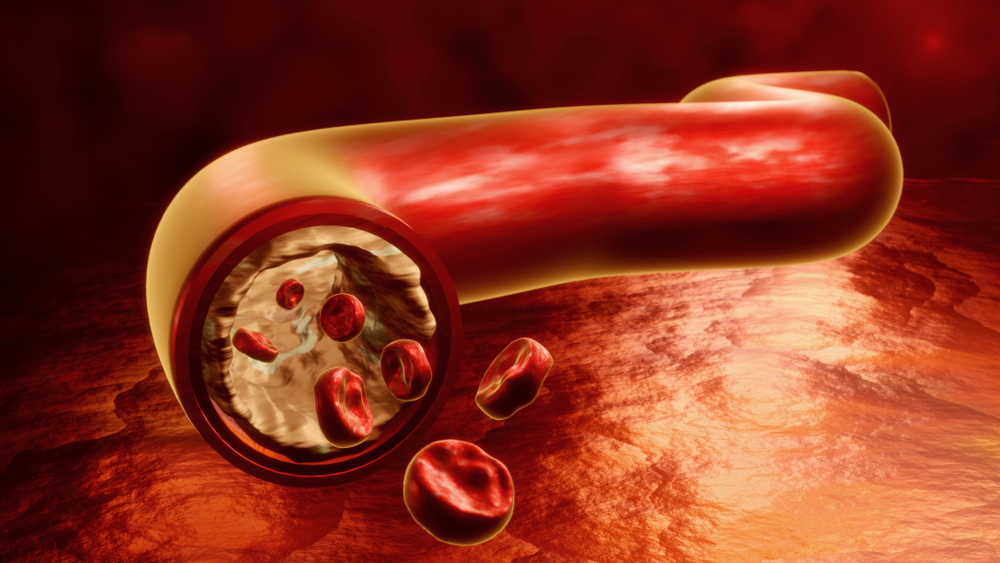
Peripheral arterial disease is the narrowing of the arteries that carry blood from the heart to the legs and feet, caused by the same atherosclerotic process that produces coronary artery disease and stroke. As the arteries narrow, blood flow to the lower extremities decreases. The feet — the most distal part of the body, furthest from the heart — are the first and most severely affected.
PAD affects approximately 10–12 million Americans over age 40. In people with diabetes, the rate is dramatically higher, and the pattern of disease is more severe: PAD in diabetic patients tends to affect the smaller vessels below the knee rather than the larger above-knee vessels, making revascularization more technically challenging and wound healing more precarious. PAD is the one of the most important systemic factor determining whether a diabetic foot wound heals or progresses to amputation.
Our podiatrists assess for possible PAD in-office with their physical exams, manage its foot complications, and coordinate with vascular surgery when further work up or intervention is indicated. We see patients at our Coon Rapids and Golden Valley offices, serving the north and west metro including Maple Grove, Ham Lake, Andover, Champlin, Blaine, Plymouth, Wayzata, Minnetonka, St. Louis Park, and Edina.
Seek same-day evaluation for: rest pain in the foot or toes at night that is relieved by hanging the foot over the bed; a new wound or ulcer on the foot that is not healing; sudden onset of foot or leg pain with pallor and coldness (possible acute arterial occlusion — a vascular emergency). These presentations indicate severe or acute limb-threatening ischemia and require immediate evaluation.
Call 763-421-7300 | Book online
How PAD Affects the Foot
Reduced blood flow affects the foot in ways that compound each other:
- Impaired wound healing: oxygen, immune cells, growth factors, and antibiotics all reach wound tissue through the bloodstream. When perfusion is inadequate, wounds that would heal in a well-vascularized limb remain open and may become deeper or infected. A foot wound in a patient with significant PAD is a fundamentally different clinical problem than the same wound in a patient with normal circulation.
- Increased infection risk: reduced blood flow impairs the delivery of immune cells to sites of infection. Bacteria that would be contained by a normal immune response can proliferate and spread rapidly in an ischemic limb.
- Ischemic ulceration: in severe PAD, the tissue itself may break down from inadequate oxygen delivery without any external injury. Ischemic ulcers typically occur at the tips of the toes, between the toes, or at the heel — locations where the pressure of the shoe or the position of the foot in bed is the precipitating factor.
- Gangrene: when blood flow falls below the threshold for tissue survival, gangrene develops. Dry gangrene (mummified, black tissue) represents the final stage of ischemia. Wet gangrene with infection is a limb-threatening and life-threatening emergency.
- Altered pain sensation: many PAD patients with concurrent neuropathy — the majority in a diabetic population — cannot feel the pain that would normally indicate severe ischemia. This combination removes the body’s two most important warning systems simultaneously.
Symptoms of PAD in the Legs and Feet
PAD produces a spectrum of symptoms that correlates roughly with the degree of arterial narrowing:
- Asymptomatic: many patients with PAD have no leg symptoms, particularly if neuropathy has eliminated pain sensation or if their activity level is low enough that blood flow demand does not exceed supply.
- Intermittent claudication: cramping, aching, or fatigue in the calf, thigh, or buttock that develops with walking a predictable distance and resolves within minutes of rest. The classic symptom of PAD. The distance at which symptoms occur — the “claudication distance” — shortens as disease progresses.
- Rest pain: burning or aching pain in the foot and toes that occurs at rest, particularly when lying flat, and is partially relieved by hanging the foot over the side of the bed (gravity assists perfusion). Rest pain indicates severe arterial insufficiency and is a sign of chronic limb-threatening ischemia (CLTI).
- Chronic limb-threatening ischemia (CLTI): the combination of rest pain, ischemic ulceration, or gangrene. CLTI represents the end stage of PAD and carries a major amputation risk of 20–40% at one year without revascularization.
- Cold feet and toes: persistent coolness in the foot, particularly asymmetric (one foot colder than the other), reflects reduced arterial inflow.
- Hairless, shiny skin: chronic ischemia causes loss of hair follicles and thinning, “shiny” skin on the dorsum of the foot and lower leg. Nails may become thickened and slow-growing.
The neuropathy-PAD overlap: neuropathic pain is typically worse at night and may improve with walking. Ischemic rest pain is also worse at night but does not improve with walking — it worsens. When both conditions are present (common in diabetic patients), the clinical picture is mixed and both need to be assessed. See our Peripheral Neuropathy page.
Diagnosis — Clinical Vascular Screening
Peripheral arterial disease (PAD) is often underdiagnosed because many patients with diabetes have little or no leg pain despite significant arterial narrowing. As part of every diabetic foot evaluation, we assess for signs of impaired circulation that may delay wound healing or increase the risk of infection and amputation.
- Medical history and symptoms: We review risk factors such as diabetes, smoking history, high blood pressure, high cholesterol, kidney disease, and previous vascular procedures. Symptoms such as calf pain with walking (claudication), rest pain, slow-healing wounds, or a history of non-healing ulcers raise concern for PAD.
- Foot and vascular examination: We examine the skin for changes such as cool temperature, shiny or hairless skin, delayed capillary refill, dependent rubor, pallor with elevation, and poor wound healing. We also assess the dorsalis pedis and posterior tibial pulses to evaluate blood flow to the feet.
- Referral for vascular testing: If your history or examination raises concern for PAD, we will refer you for non-invasive vascular testing, such as an ankle-brachial index (ABI), arterial Doppler ultrasound, or other imaging as appropriate.
- Coordination with vascular specialists: If significant arterial disease is identified, we coordinate prompt referral to a vascular surgeon or interventional specialist for further evaluation and consideration of procedures to restore blood flow when appropriate.
The Role of Podiatric Care in PAD
Podiatrists do not perform revascularization — that is the domain of vascular surgery and interventional radiology. Our role is identifying PAD, managing its foot consequences, and coordinating the care that aims to prevent amputation.
Wound Management in the Ischemic Foot
Ischemic and neuro-ischemic wounds (wounds in patients with both PAD and neuropathy) require a modified approach compared to purely neuropathic wounds:
- Conservative debridement: aggressive sharp debridement that is appropriate for a well-perfused neuropathic wound may enlarge an ischemic wound. Debridement depth and extent are calibrated to the perfusion status.
- Moisture management: ischemic wounds often have minimal exudate. Dressings are selected to maintain appropriate moisture without maceration of fragile ischemic tissue.
- Offloading: pressure relief is still essential but the choice of offloading device is influenced by ischemia — total contact casts are generally avoided in severely ischemic limbs due to wound complication risk.
- Infection management: infection in an ischemic wound is a vascular emergency. It accelerates tissue loss faster than in a well-perfused wound and requires urgent antibiotic treatment and surgical evaluation.
- Urgent vascular referral: a non-healing ischemic wound is the clearest indication for revascularization evaluation. We facilitate this referral and communicate wound status to the vascular team.
See our Diabetic Foot Ulcers & Wound Care page for the full wound management approach.
Shockwave Therapy (EPAT) — Adjunctive Angiogenesis Support
Shockwave therapy (EPAT) for ischemic tissue. For patients with PAD who are not revascularization candidates or who have stalled wounds despite adequate systemic care, shockwave therapy offers a non-invasive option to stimulate local angiogenesis. Acoustic pressure waves delivered to the ischemic tissue upregulate VEGF and nitric oxide signaling, promoting the formation of new capillaries and improving local perfusion in the wound bed. The evidence base is growing, particularly for patients with non-healing wounds in the setting of moderate arterial insufficiency. Used alongside standard wound care — not as a replacement for vascular evaluation when revascularization is indicated. Offered as a cash-pay service with package pricing available. → See our Shockwave Therapy (EPAT) page.
Protective Footwear
Pressure on ischemic tissue is far more dangerous than pressure on well-perfused tissue. Every contact point between the foot and the shoe or floor is a potential wound site in a patient with severe PAD. Custom molded diabetic footwear with seamless interiors, extra depth, and precisely distributed plantar pressure is essential protective management.
Risk Factors and Prevention
PAD shares its risk factors with coronary artery disease and stroke — it is a systemic cardiovascular disease:
- Smoking: the single largest modifiable risk factor for PAD. Smokers are four times more likely to develop PAD than non-smokers. Smoking cessation is the most important intervention for PAD risk reduction and for slowing disease progression.
- Diabetes: doubles the risk of PAD and produces the below-knee pattern of disease most relevant to foot complications. Tight glycemic control significantly reduces the rate of PAD progression.
- Hypertension and dyslipidemia: accelerate atherosclerosis in all vascular beds, including the lower leg and foot vessels. Statin therapy and blood pressure control are standard PAD management.
- Age: PAD prevalence increases sharply after age 50. Screening is appropriate for all patients over 65, and over 50 with diabetes or a history of smoking.
- Prior cardiovascular disease: PAD is a cardiovascular disease equivalent. Patients with PAD have a 20–30% risk of major cardiovascular event (heart attack, stroke) within five years of diagnosis. Antiplatelet therapy (aspirin or clopidogrel) is standard.
Frequently Asked Questions
Can PAD be cured?
PAD is a manifestation of systemic atherosclerosis, which is a chronic, progressive disease. It cannot be cured, but it can be managed effectively. Revascularization (angioplasty, stenting, bypass) restores blood flow but does not reverse the underlying atherosclerotic process. Aggressive risk factor management — smoking cessation, statin therapy, blood pressure control, blood sugar management, and antiplatelet therapy — slows progression and reduces cardiovascular event risk. Supervised exercise therapy improves claudication symptoms and collateral circulation.
My foot is cold and I have pain in my toes at night. Is that PAD?
Cold feet can result from PAD, neuropathy, Raynaud’s phenomenon, or simply from poor ambient temperature regulation. Toe pain at night that is partially relieved by hanging the foot over the bed is the characteristic presentation of ischemic rest pain from severe PAD, and is a sign of chronic limb-threatening ischemia requiring urgent evaluation. If you have diabetes and are experiencing either of these symptoms, call our office for a prompt evaluation.
I was told my circulation is poor but no one has explained what to do about it. Where do I start?
The first step is a thorough foot and vascular evaluation to determine whether poor circulation may be contributing to your symptoms, wound healing, or risk of complications. If our examination raises concern for peripheral arterial disease (PAD), we will coordinate referral for formal vascular testing—such as an ankle-brachial index (ABI), toe-brachial index (TBI), or arterial ultrasound—and, if needed, referral to a vascular specialist for further evaluation and treatment. If you’ve been told your circulation is poor but have never been given a clear plan, our Second Opinion / Foot Pain Not Improving visit is an excellent place to start.
Poor Circulation in Your Feet? Let’s Find Out Exactly Where You Stand.
In-office ABI and toe pressure testing gives us objective data on your circulation in 15 minutes. That information guides everything: wound care approach, referral decisions, footwear prescription, and monitoring frequency. Book an appointment at our Coon Rapids or Golden Valley office.
Call 763-421-7300 | Book online
Serving Coon Rapids, Golden Valley, Maple Grove, Ham Lake, Andover, Champlin, Blaine, Plymouth, Wayzata, Minnetonka, St. Louis Park, Edina, and all Twin Cities communities.